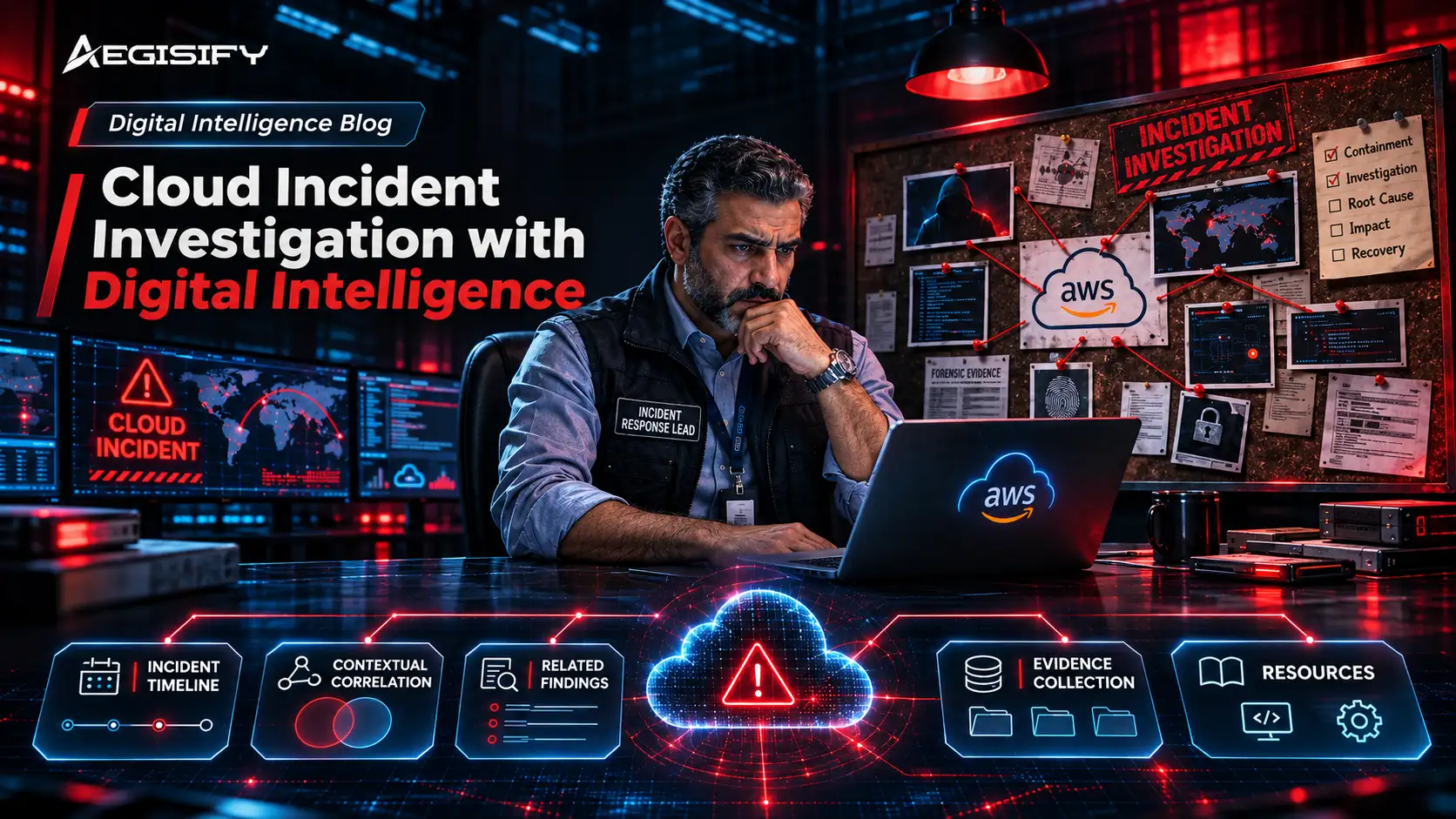
Cloud Incident Investigation with Digital Intelligence
During a cloud incident, the hardest task is often proving which facts belong to the same event. Screenshots, alerts, resource references and decisions quickly become scattered.
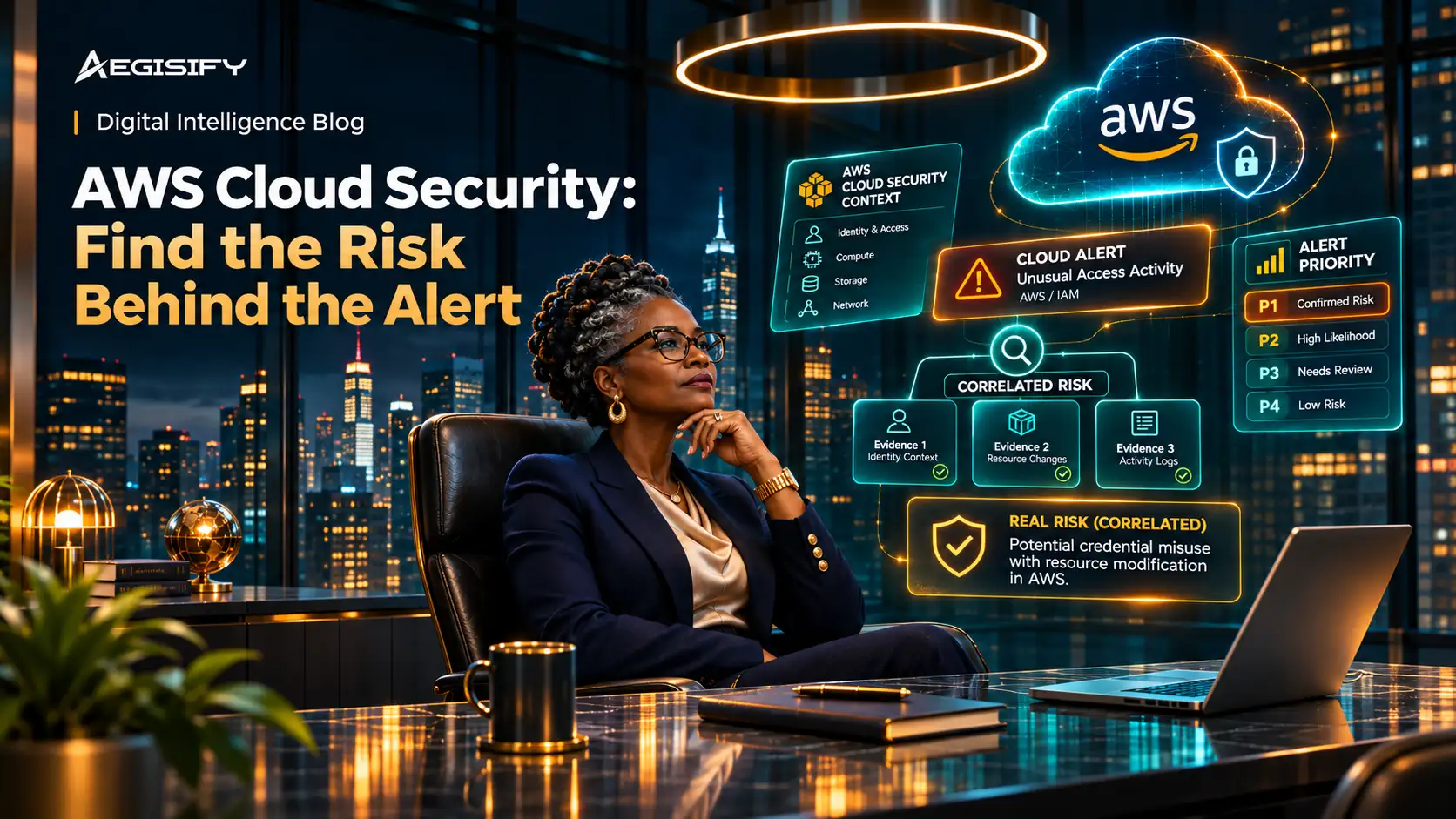
Keep source finding IDs, scoped resources, observed timestamps, analyst decisions and the remediation handoff together. Digital Intelligence connects selected AWS observations to cases, tickets and response-plan workflows.
Keep the provider and native finding identity.
Reference actual events and resource relationships.
Record ownership, verdict and next steps.
Confirm remediation with fresh evidence and retained history.
A queue of tickets is not an evidence trail
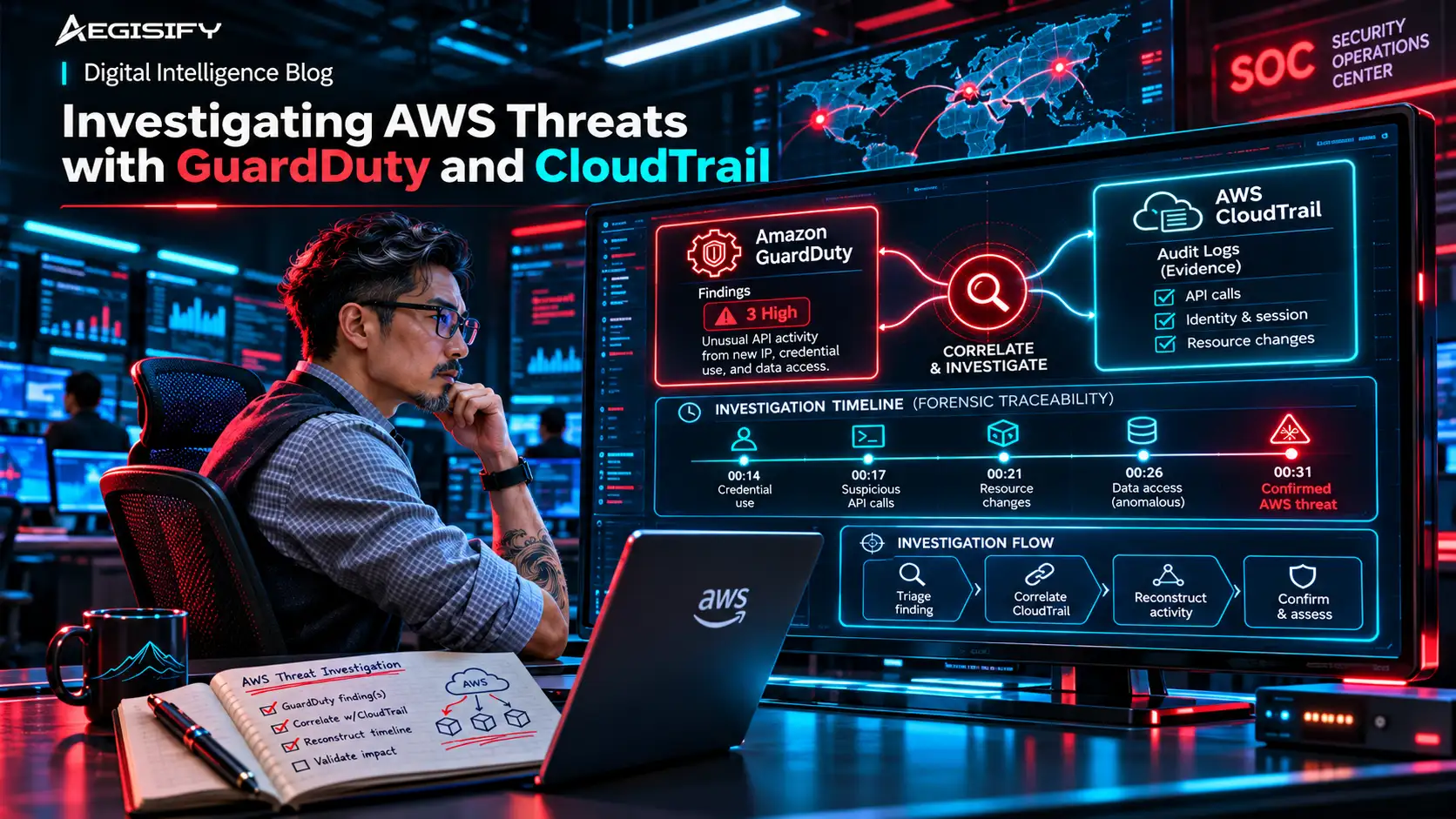
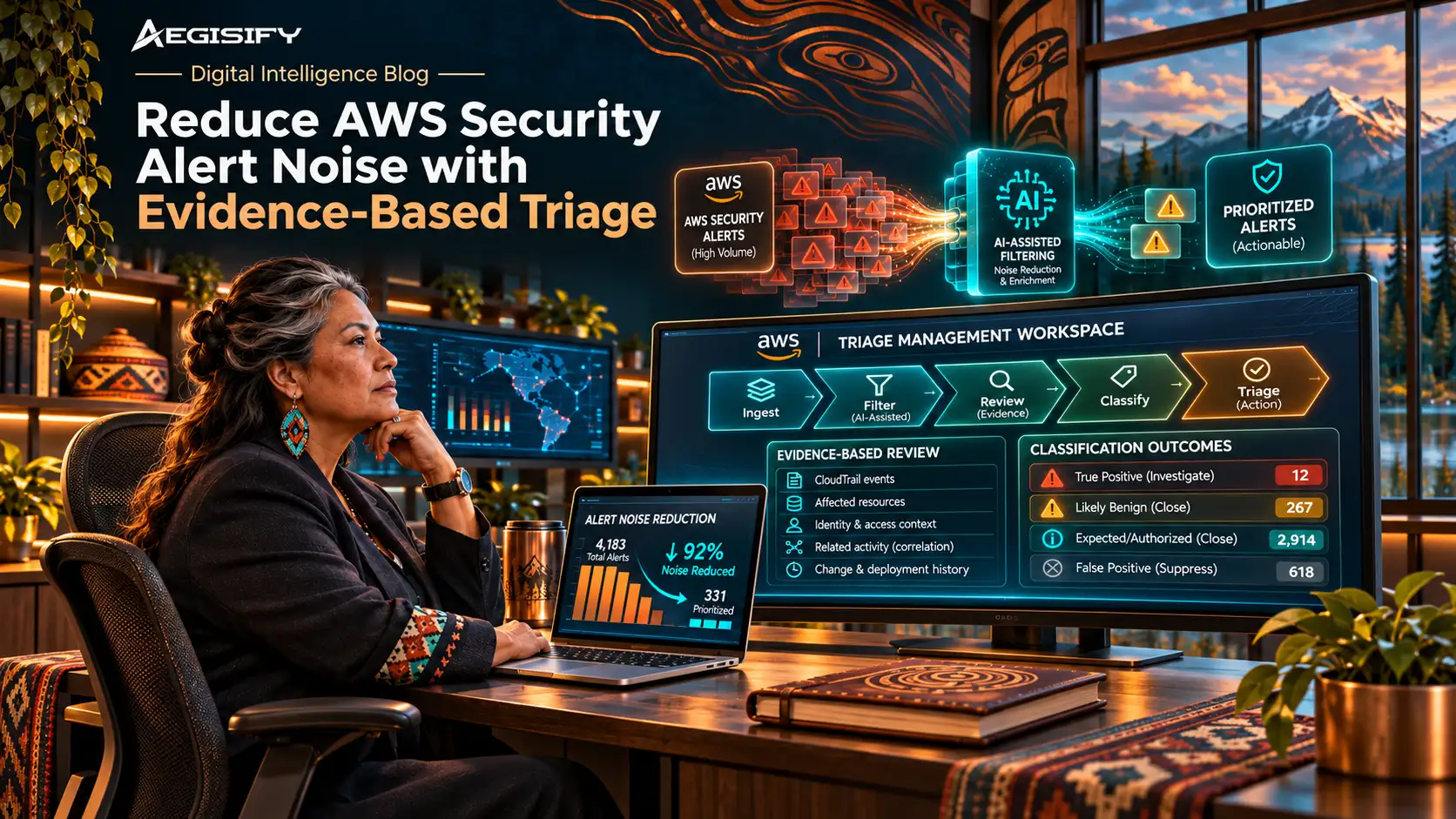
Security events can arrive from different AWS services and accounts. Without stable references, analysts may duplicate the same finding, lose the timeline or treat a hypothesis as a confirmed event.
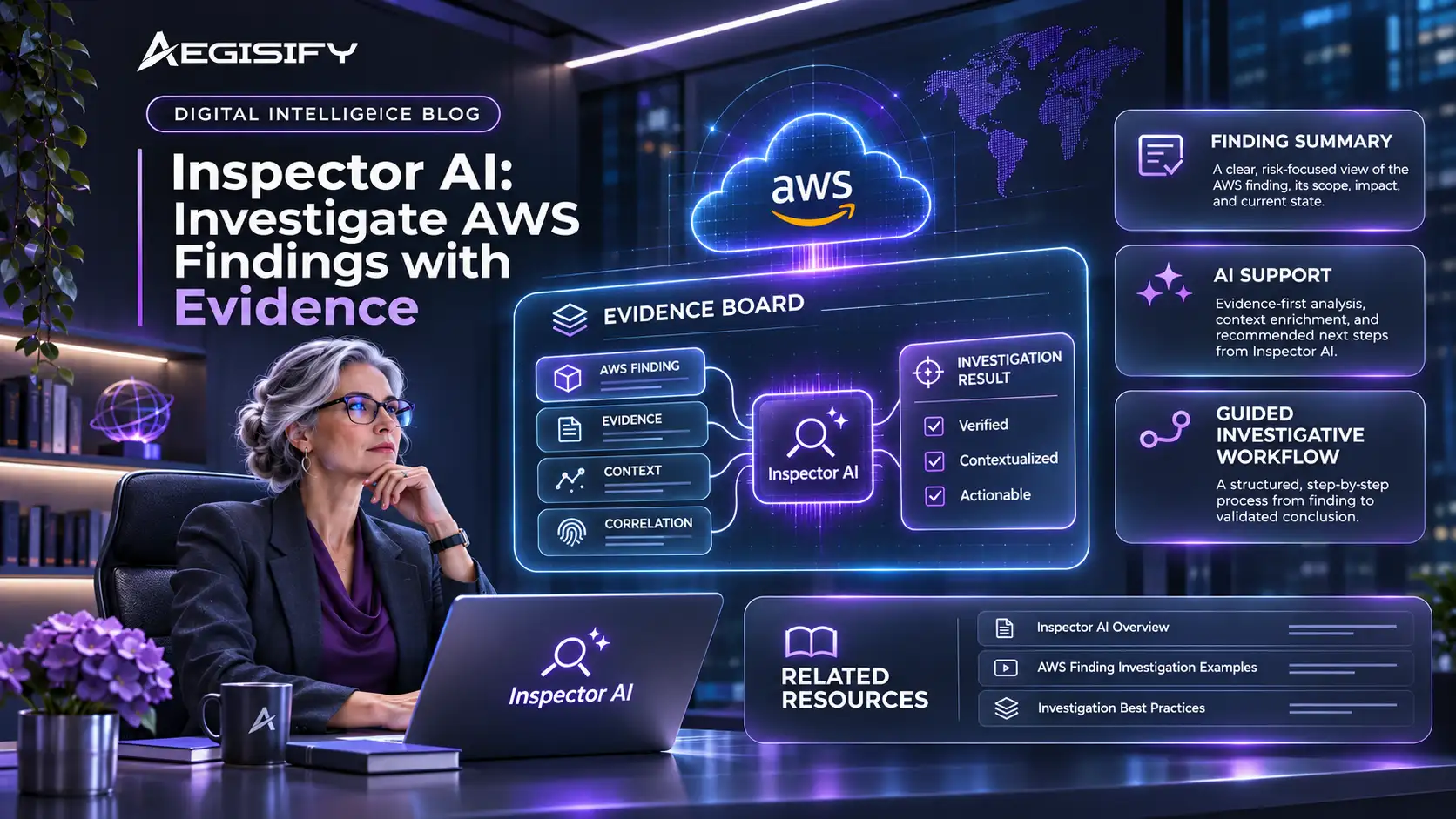
Digital Intelligence includes investigation and case workspaces, source-linked forensic references, ticket views and response-plan records. Governed actions can archive or remove eligible operational records from active views while retaining evidence and history.
Example: a suspected account compromise
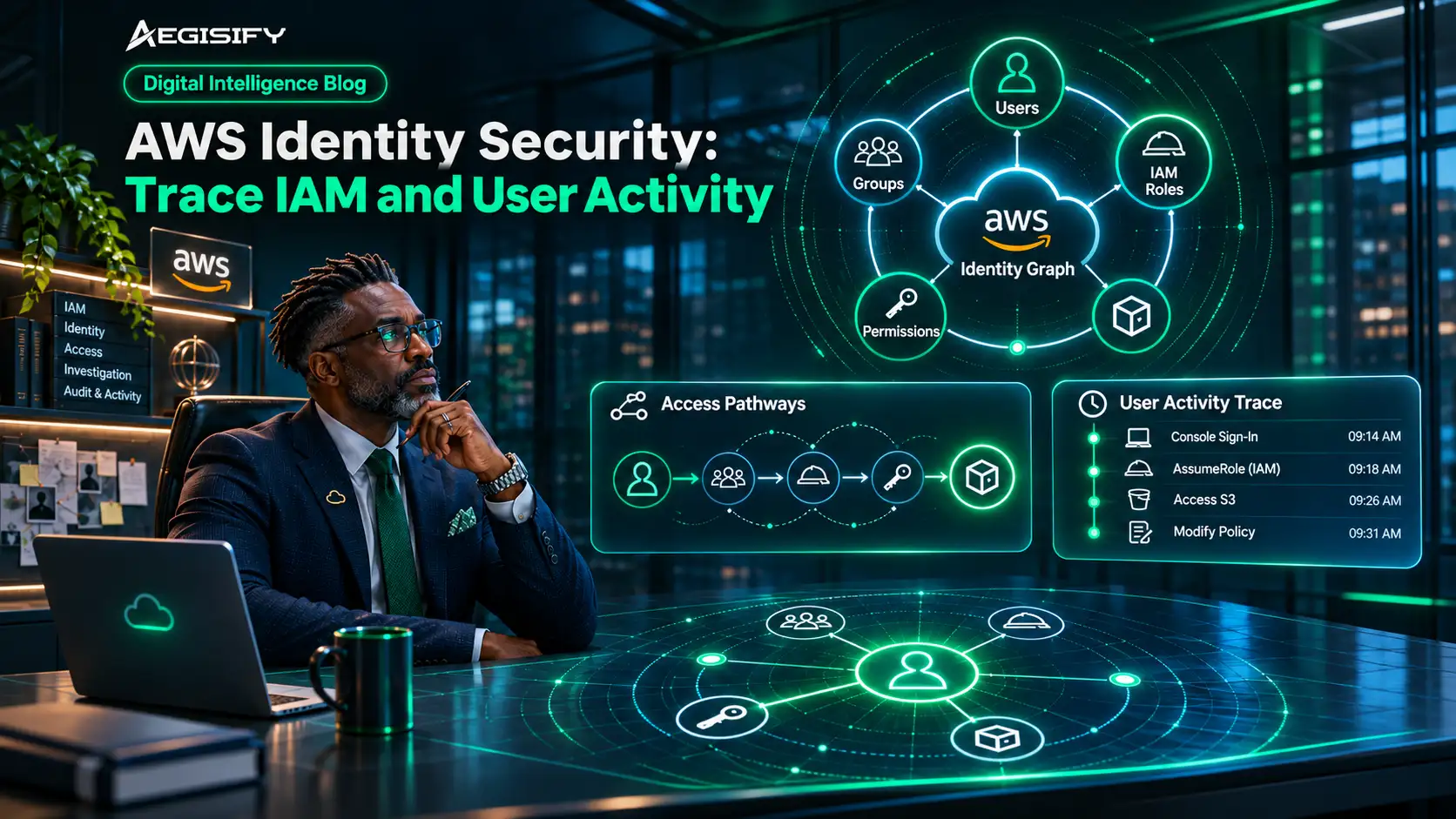
A responder receives a provider finding, links the observed resource and examines available CloudTrail events. A ticket records the analyst’s decision; a response plan documents proposed credential review or access restriction. The evidence trail remains distinct from the action taken in AWS.
A practical cloud incident response sequence
- Open the evidence in scope
Choose the authorized account, Region and incident window. Check source coverage before claiming a complete timeline.
- Link the operational workflow
Associate the finding with a case or ticket, follow available exact source references and document a response plan.
- Perform and verify the action
Have approved owners act in AWS, then update the investigation with a new observation and final rationale.
Questions security teams ask
Can it prevent duplicate cases for the same critical finding?
The documented critical-finding workflow uses native finding/account/Region identity to avoid repeated cases during subsequent discovery.
Does archiving a finding erase the AWS record?
No. It changes eligible DI workflow or personal-list presentation; original provider evidence remains outside that action.
Can an incident timeline identify every affected system?
Only systems and events supported by collected or queryable source evidence can be included reliably.
Technical reference: AWS Well-Architected Security Pillar: incident response (AWS official documentation). Actual findings, permissions and service support are environment-dependent.