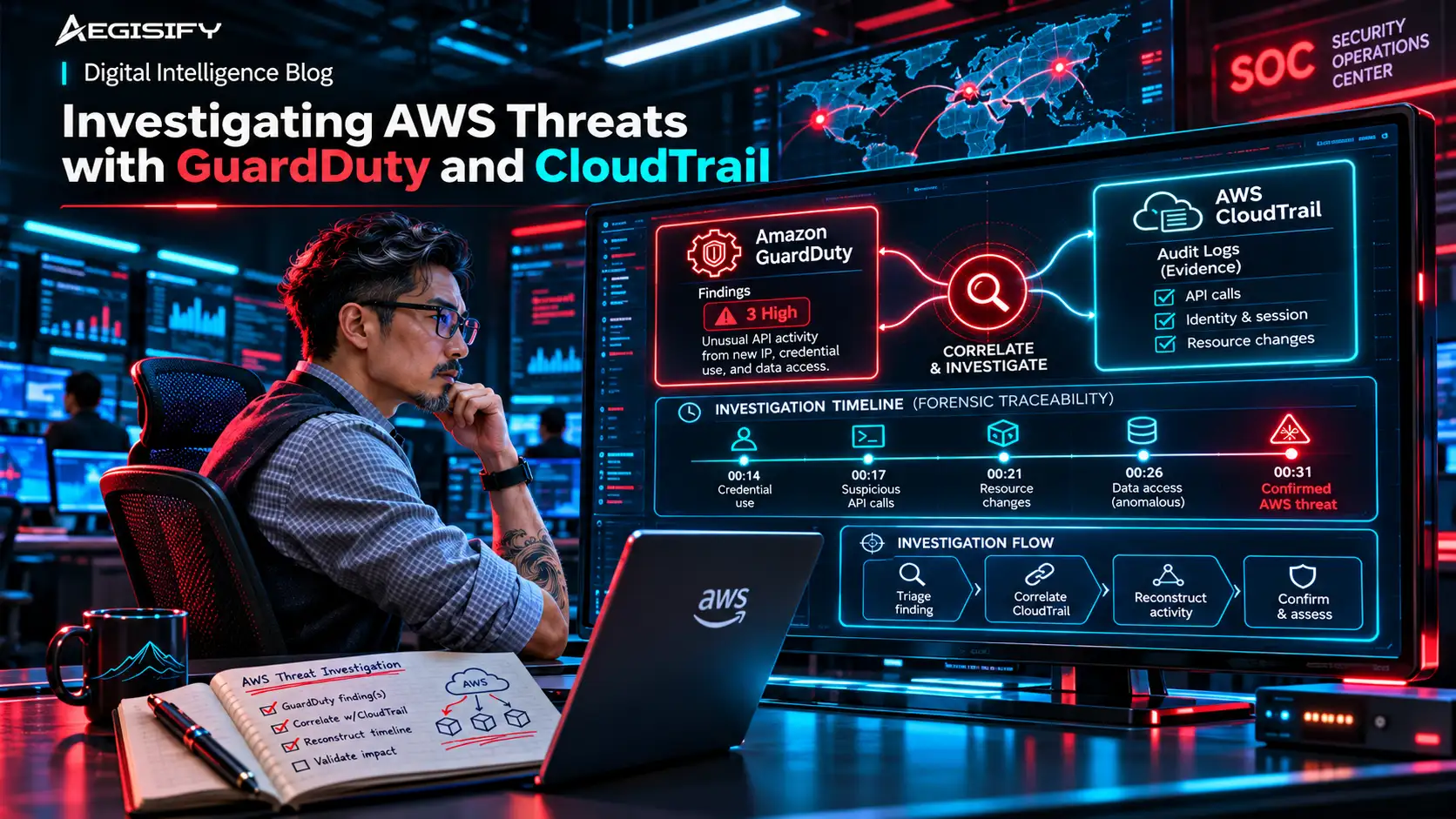
Investigating AWS Threats with GuardDuty and CloudTrail
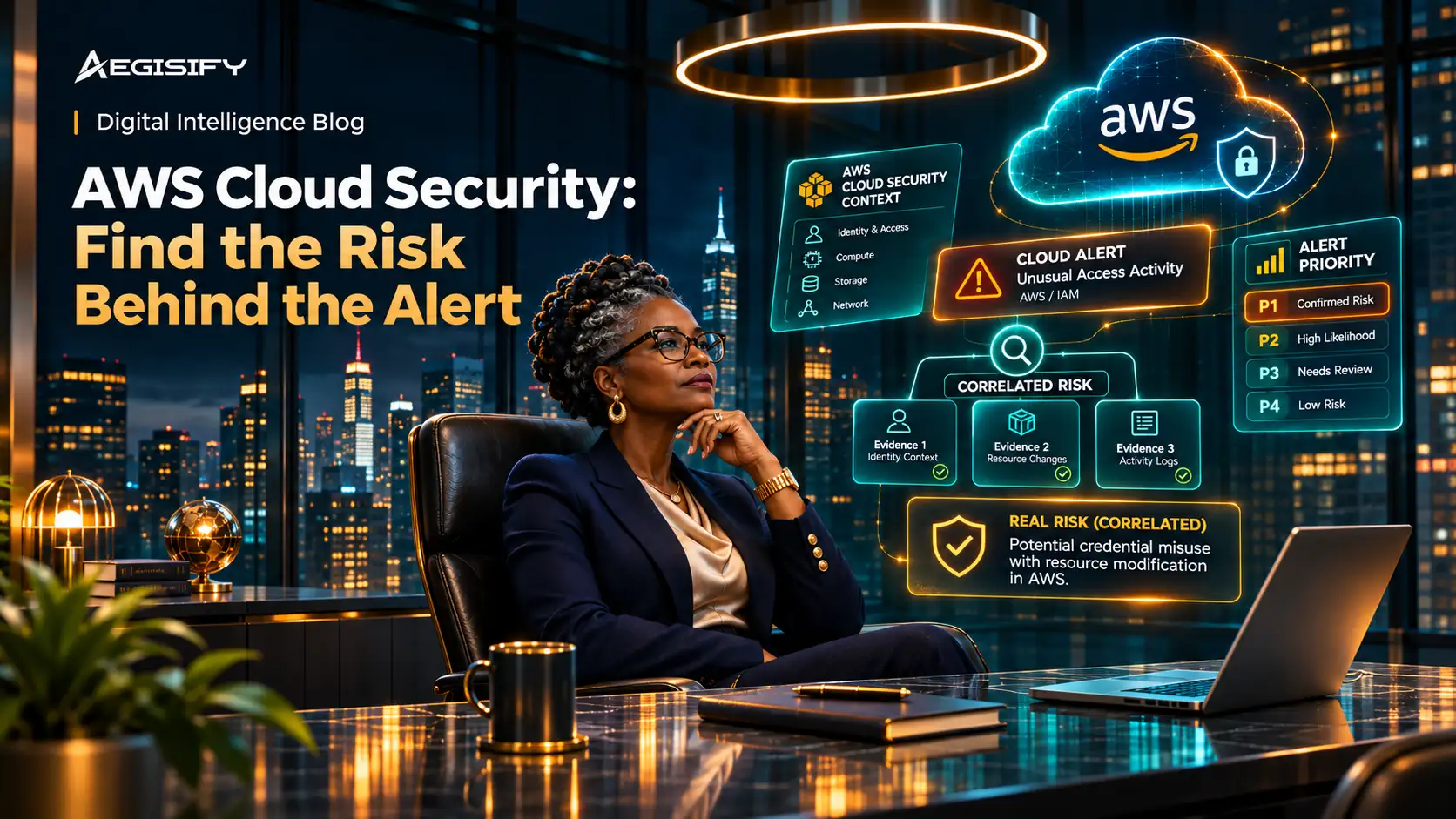
A suspicious IP address is a lead, not a finished investigation. Security teams need the source finding, affected resource, observed activity, timestamps and a defensible next step.
Start with a GuardDuty finding ID, pivot to the exact account and resource, examine the recorded IP and event details, then corroborate with authorized CloudTrail evidence. Record missing data instead of guessing at an attacker.
Keep native ID, account, Region and first/last-seen context.
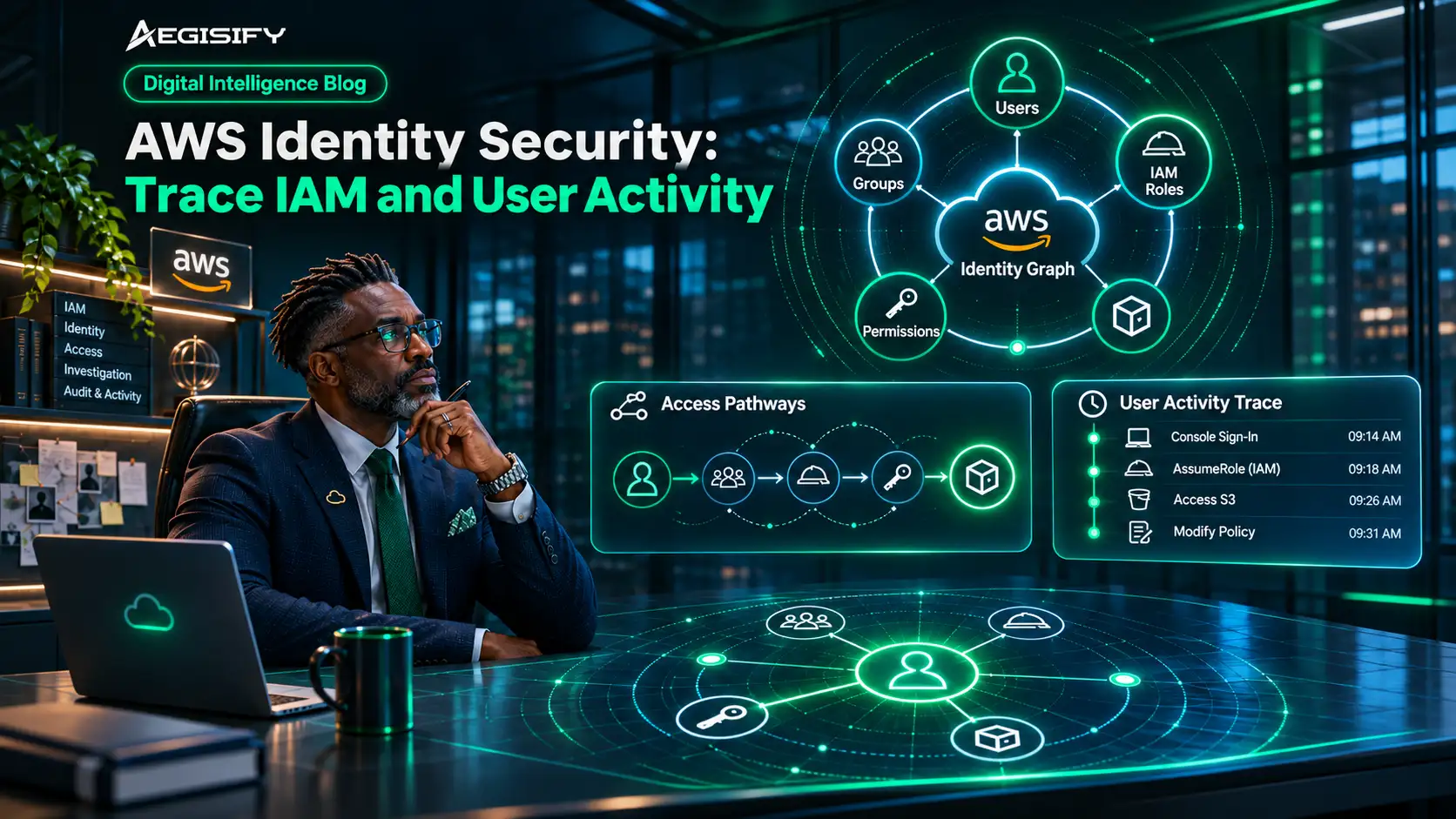
Use actual principal fields; never infer ownership from a name.
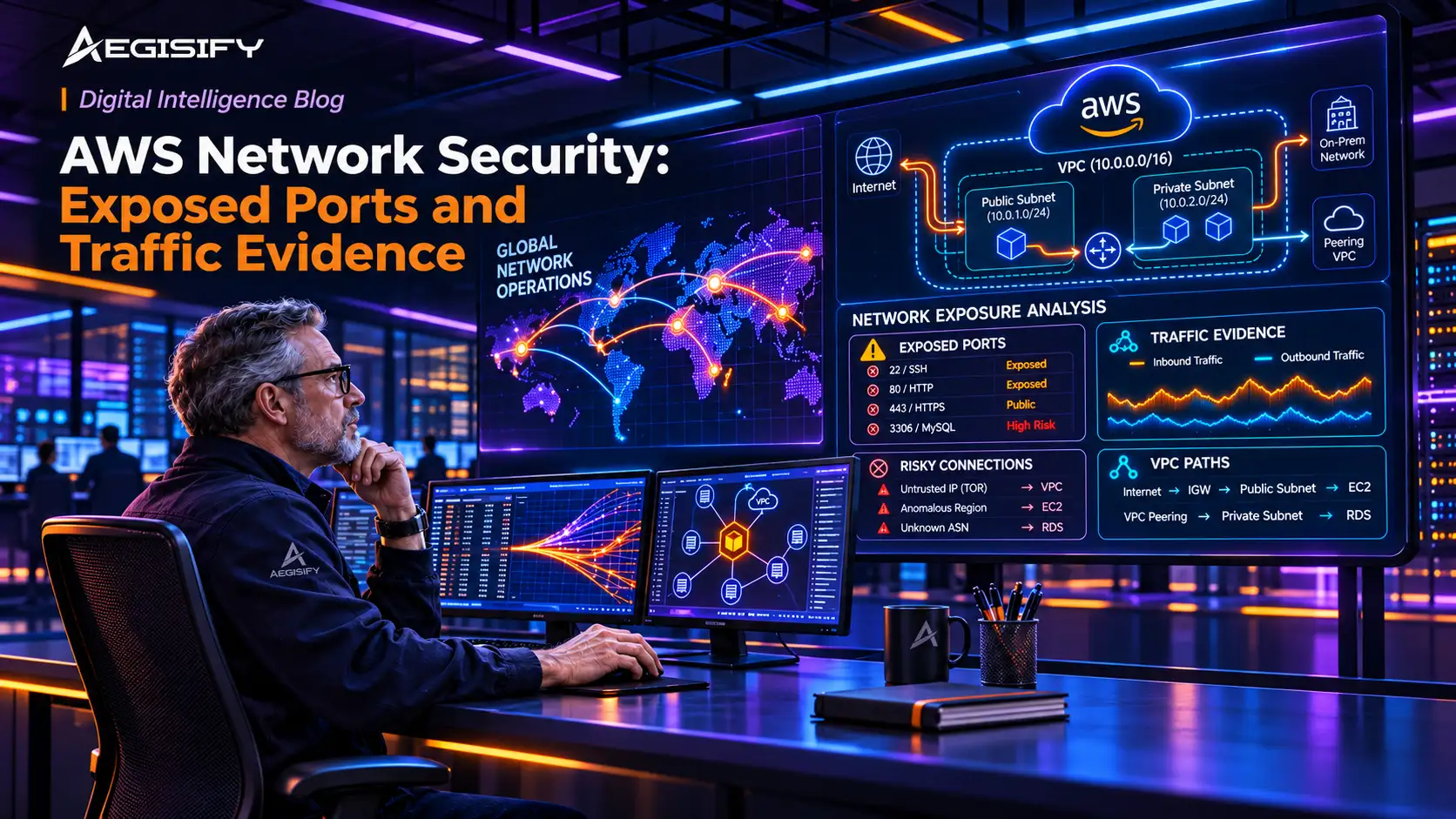
Retain source or destination addresses only when source evidence provides them.
Corroborate recorded API actions and mark source gaps.
An alert is not an attacker identity
A GuardDuty record may include a remote IP address, action details, resource identifiers and first/last observed timestamps. Those fields can establish an investigation starting point; they do not necessarily identify a person, organization or full network route.
CloudTrail adds API activity and principal context when the relevant event is actually recorded. Its Event History does not automatically contain every data event, packet, process or workload action.
Example: a suspicious call from an unfamiliar IP
An analyst sees a GuardDuty observation tied to an EC2 instance. The investigation begins with the native finding and checks whether a related CloudTrail event exists. If the record names an IAM principal or source IP, those facts can be linked; if not, the correct verdict is unresolved attribution.
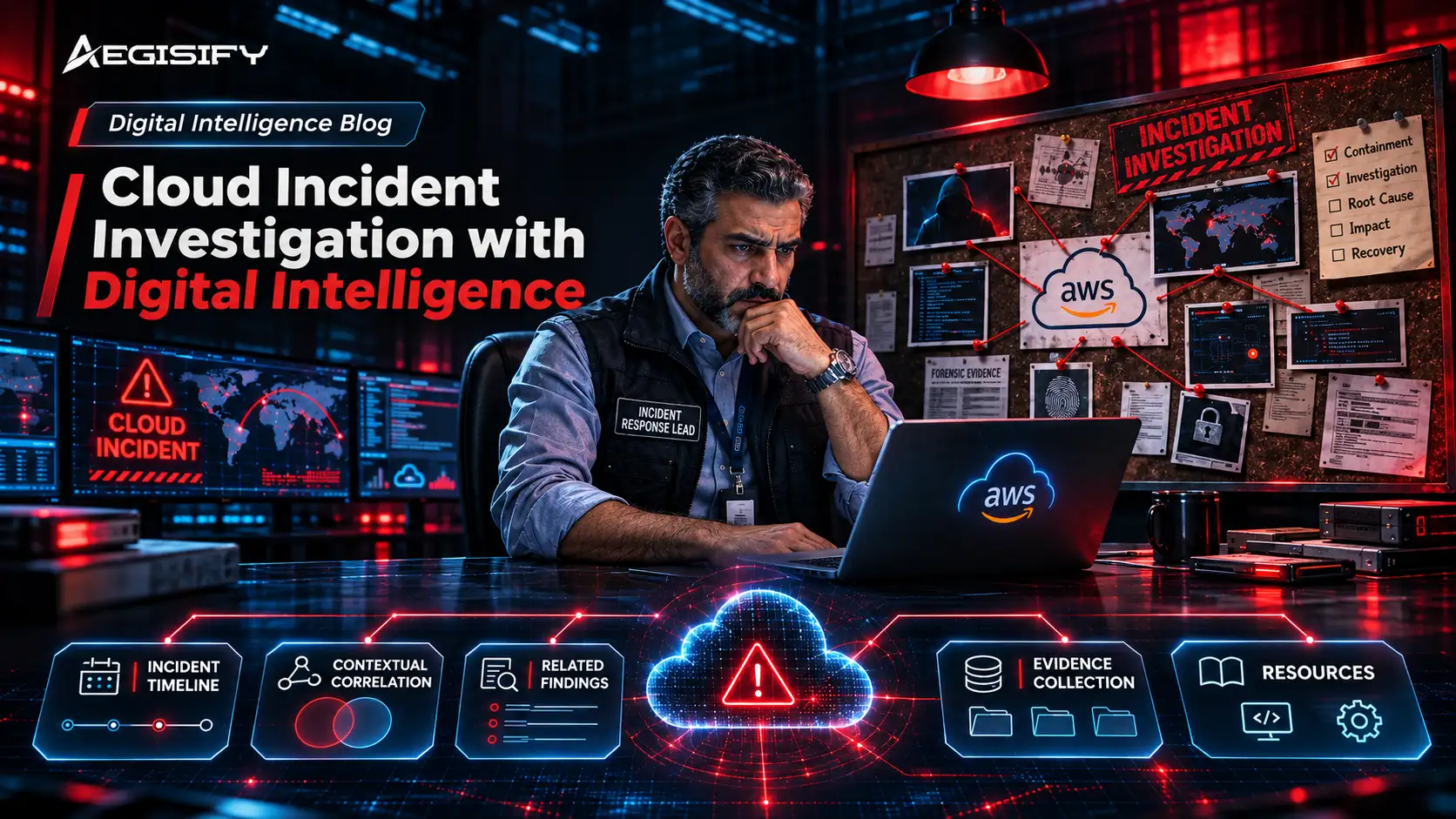
A focused threat investigation workflow
- Pin down the exact finding
Review native severity, resource reference, AWS account and observed time before grouping events.
- Reconstruct only the supported window
Use available CloudTrail history and relevant source links to compare recorded actions with the alert. Separate observation time from actual event time.
- Document containment recommendations
If the evidence supports an incident, recommend credential review, network restriction or workload isolation through the organization’s AWS change process; preserve source evidence and retest.
Questions security teams ask
Can the platform identify a bad actor by name?
Not from an IP alone. It can preserve provider-attributed principals and network indicators when AWS records contain them.
Does a GuardDuty finding prove compromise?
No. It is a security detection requiring corroboration and impact assessment.
Does Inspector AI automatically gather every log?
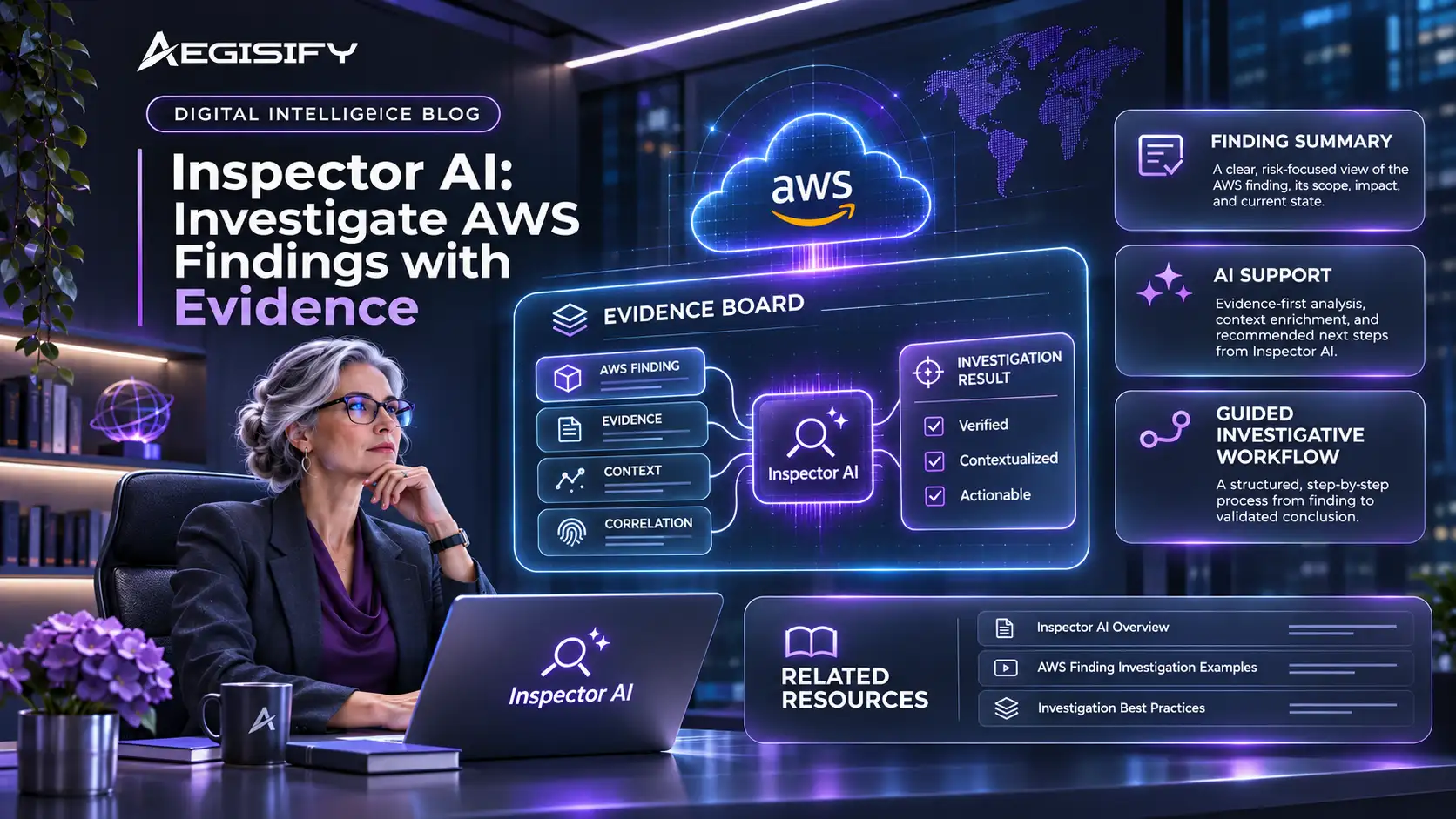
No. Selected authorized investigations can use bounded CloudTrail evidence and AI when configured, but unavailable logs remain unavailable.
Technical reference: Amazon GuardDuty finding details (AWS official documentation). Actual findings, permissions and service support are environment-dependent.